Walk into almost any food processing facility, and you’ll find systems that have been running reliably for years, sometimes decades. Equipment gets replaced, lines get upgraded, but certain components remain unchanged. Not because they’re perfect, but because they’ve always “worked.”
That mindset – relying on what’s familiar and proven – can be efficient. It keeps operations moving and simplifies maintenance. But in sanitary processing environments, it can also introduce an often-overlooked risk.
The problem isn’t that standard gauges don’t work; it’s that they don’t work everywhere.
In many facilities, pressure gauges are treated as interchangeable components. When one fails, it’s replaced with the same model. When a new line is installed, existing specifications are reused. Over time, this creates a kind of informal standardization across the plant, one that simplifies purchasing, reduces spare parts inventory and allows maintenance teams to move quickly.
On the surface, this approach makes sense. Fewer part numbers mean fewer headaches. Training is easier and replacement is faster.
But different stages of production place different demands on instrumentation when it comes to hygiene, cleanability and material compatibility. What works in one part of the process may introduce risk in another.
Where Standard Gauges Fall Short
Standard, general-purpose gauges are not designed with sanitary requirements in mind. Their construction can include threaded cavities, crevices and internal spaces where product residue can accumulate. In non-sanitary applications, this may not pose a significant issue.
In food processing, however, those same features can become liabilities.
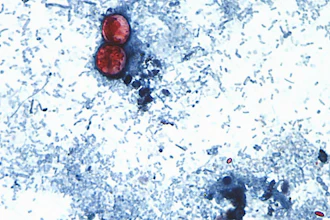
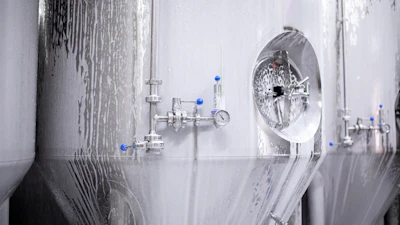
Systems that rely on clean-in-place (CIP) or sterilize-in-place (SIP) procedures are only as effective as their least cleanable component. If a gauge contains areas that cannot be fully cleaned or flushed, residue can remain behind and create an environment where bacteria can grow and contamination can begin.
If a component can trap product, it can harbor bacteria. And if it’s installed in multiple locations across a process, it can spread that risk throughout the system.
One Process, Multiple Risk Zones
A key challenge in food processing is that not all parts of a system carry the same level of risk. Product-contact zones, washdown areas and utility lines each have different requirements, even if they are physically connected.
Yet it’s not uncommon to see identical gauges used across all these environments.
A gauge that performs adequately in a non-contact utility line may not meet the hygienic requirements of a product-contact zone. Likewise, a component suitable for dry or low-risk applications may not withstand repeated exposure to aggressive cleaning cycles or high-moisture environments.
This “one-size-fits-all” approach often develops gradually as components are replaced, lines are modified and teams default to what is already familiar or readily available. The result is a system where instrumentation may be technically functional but not appropriately matched to the risks of each process stage.
The Risk You Don’t See Until It’s Too Late
One of the reasons this issue persists is that the consequences are not always immediate. A line may run smoothly and gauges may appear accurate. There may be no visible signs of failure. From an operational standpoint, everything seems fine.
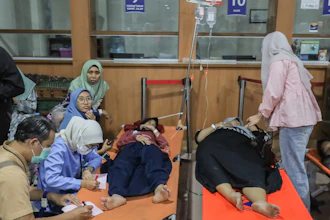
When problems do surface, they can be costly. Contamination events may require entire batches to be discarded and lead to unplanned downtime. In regulated environments, compliance issues may trigger audits, corrective actions or even production shutdowns.
Even in less severe cases, the impact adds up. Inaccurate readings can affect process control and components that aren’t designed for the application may fail more frequently, increasing maintenance demands and replacement costs.
In many cases, the root cause traces to a simple assumption: that a gauge that worked in one location will work as well in another.
The Growing Knowledge Gap
Another factor contributing to this challenge is the ongoing shift in workforce experience across the industry.
As seasoned engineers and technicians retire, much of the institutional knowledge around instrumentation selection and process requirements leaves with them. Newer team members, often under pressure to maintain uptime, may not have the same depth of experience to draw from.
Without that context, the safest and fastest option is often to replace components like-for-like or rely on what is already stocked in inventory. Over time, this reinforces the use of “good enough” solutions, even in applications where they may not be appropriate.
This reflects how operational pressures and knowledge gaps intersect on the plant floor.
Rethinking Instrumentation as a Process Decision
Addressing this issue doesn’t require a complete overhaul of existing systems. Rather than treating gauges as interchangeable parts, they should be viewed as process-specific components, each selected based on the conditions and risks of its exact application.
That means asking a few critical questions before specifying or replacing a gauge.
- What part of the process is it measuring?
- Is it exposed to product, cleaning agents or both?
- What are the hygienic requirements of that location?
- Are there specific regulatory or sanitary standards that must be met?
These considerations maintain process integrity. A gauge that is matched to its environment not only reduces risk but also supports more consistent performance over time.
Balancing Consistency and Suitability
Standardization still has an important role in food processing. It simplifies operations, reduces complexity and helps maintain consistency across large facilities. But like any efficiency strategy, it has limits.
When applied without considering process-specific requirements, standardization can introduce vulnerabilities, especially in sanitary systems where cleanliness and compliance are critical.
The goal isn’t to eliminate standardization altogether, but to apply it thoughtfully. In practice, that means recognizing where consistency adds value and where customization is necessary.
Because in the end, “good enough” is only good enough until it isn’t.
Jermaine Perry is the sales manager for Daughtridge Sales, an MCE Automation company. Learn more at mceautomation.com. Jermaine Perry, Daughtridge Sales