The food industry is currently standing at a unique crossroads between reactive crisis management and proactive pathogen control. For decades, routine, reactive swabbing has been the standard for environmental monitoring. However, shifting regulatory expectations and the biological resilience of pathogens are fundamentally altering the landscape, requiring food and beverage manufacturers to adopt predictive, data-driven approaches.
The "Hidden" Enemy and Regulatory Drivers
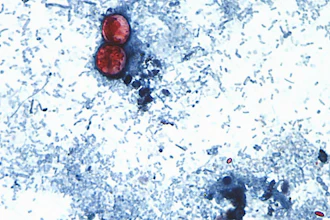
Listeria is one of the largest hidden enemies in processing environments, largely due to its biological resilience and what we call the "cold chain paradox". While chilling typically stops other bacteria, Listeria thrives in cold, dark, and damp processing environments. It hides within tough biofilms in growth niches—such as micro-cracks or hollow rollers—that routine sanitation often misses.
Regulators are acting on this threat and now view your environmental monitoring program not merely as a suggestion, but as a mandatory verification tool to prove that sanitation controls are actually working. With the rise of multi-ingredient products and shared production lines, the risks of cross-contamination across hygienic zones have increased immensely. For manufacturers, the time to start acting proactively to build a robust food safety program is now.
Implementation Realities: From "Detect" to "Eradicate"
One of the most critical takeaways for food manufacturers is that modernizing an environmental monitoring program is not a simple step. Facilities must implement robust Pathogen Environmental Monitoring programs and actively hunt hidden growth niches before the pathogen reaches the product line.
When upgrading your program, facilities must consider several modern strategies:
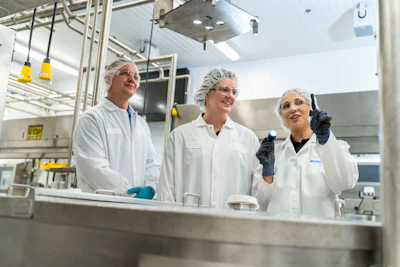
Smarter Sampling: You cannot detect what you do not collect. Facilities must standardize swabbing technique and consistently review site selection and timing to ensure they generate actionable data rather than just noise. Utilizing advanced tools, like environmental scrub samplers with wide-spectrum neutralizers, helps mechanically disrupt tough biofilms.
Accelerating "Destroy" with Rapid Feedback: Once a risk is detected, eliminating it requires speed. Rapid hygiene monitoring tools, such as ATP testing systems, provide results in under 10 seconds for an immediate check of cleaning effectiveness. For pathogen-specific troubleshooting, technologies like Listeria Right Now can deliver environmental Listeria results in just one hour, allowing teams to mitigate risks quickly before products are contaminated.
Holistic Verification: True process control combines different types of tests to gain a deeper look into the microorganisms present. While ATP verifies immediate cleanliness, indicator testing goes a step further by acting as an early warning sign of developing microbial risks before they ever reach Zone 1. Pathogen testing dives into microbial monitoring a step further to ensure that our finished product isn’t affected by cross-contamination from the environment.
The Data and Culture Reality Check
As manufacturers transition to these advanced methods, they must also embrace data transparency. Moving away from traditional spreadsheets, industry-leading facilities are integrating testing with Laboratory Information Management Systems (LIMS) and using analytical software. Many of these digital systems have the ability to generate heat maps of a facility's floor plan, helping teams visually track their data and achieve predictive process control.
Action is also being driven toward sanitary design; manufacturers are actively retrofitting or replacing legacy equipment that acts as a pathogen reservoir, recognizing that you cannot always clean your way out of a bad design.
Honest Insights for the Road Ahead
The most sophisticated testing tools mean nothing without viewing training as a preventive control. Establishing a "you see it, you own it" mindset empowers frontline staff to execute root-cause analyses and take true ownership of plant hygiene.
Navigating this complex shift doesn't have to be done alone. Seeking guidance from experts through immersive, hands-on training workshops and personalized on-site assessments can help ensure your transition from a reactive facility to a predictive one is successful.
Kelsey Kotecki is a food safety & quality specialist at Nelson-Jameson, a leading distributor in the food processing industry.