Fifty thousand recalled loaves. Three days of shutdown. $2.3 million in ruined product. For one regional baking plant, these numbers show the cost of ignoring air quality. When airborne mold spores infiltrated production areas through an inadequate HVAC system during a humid summer day, the consequences rippled far beyond the immediate financial losses. Longtime retail partners pulled out or demanded steep discounts, and local media turned a trusted brand into a cautionary tale.
The root cause analysis revealed a pattern that many facilities will recognize: a 20-year-old HVAC system that was overlooked during recent modernization projects. While the facility had invested in state-of-the-art ovens and packaging equipment, the environmental controls remained unchanged. The service contractor, aiming to cut costs, installed standard commercial filters instead of the high-efficiency ones required for food production. The system itself was functioning, but the combination of outdated design and improper filter selection left the facility vulnerable to airborne contamination.
What’s Really in Your Facility’s Air
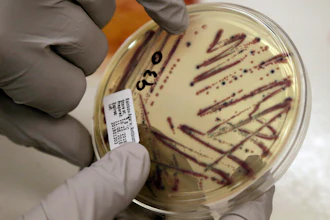
This scenario, while hypothetical, represents a compilation of challenges food manufacturers face. The threats are undeniably real. Food facilities contend with biological contaminants such as bacteria, mold spores, yeast, viruses, and bioaerosols, as well as chemical pollutants, particulate matter, and cross-contamination between production areas. These contaminants enter through many pathways, including sanitation lapses, open doors, employee movement, and HVAC systems.
Manufacturing operations can generate significant airborne dust that settles onto food-contact surfaces and finished products. When companies adjust their manufacturing processes to meet shifting consumer preferences without considering the implications for food safety, the consequences can be severe and long-lasting.
Regulatory Requirements and Industry Standards
Air quality serves as a preventative control under the Food Safety Modernization Act (FSMA). The U.S. Food and Drug Administration (FDA) 21 Code of Federal Regulations Part 117 requires facilities to prevent contamination from environmental sources, including air contamination, in accordance with the World Health Organization’s Good Manufacturing Practices. Hazard Analysis and Critical Control Point (HACCP)-based food safety plans must account for environmental pathogens, cross-contact allergens, and airborne contaminants impacting ready-to-eat foods.
The HVAC industry now uses zone-based hygiene controls with defined pressure and filtration thresholds. These zones progress from low-care areas requiring basic hygiene for raw materials, through medium-care processing areas, to high-risk zones demanding ultra-high hygiene for moisture-sensitive products, such as aseptic filling. Each zone requires progressively stricter environmental controls and filtration standards.
Consequences of inadequate filtration extend far beyond failed audits. FDA citations can carry fines of up to six figures, while OSHA violations for worker exposure to dust can carry penalties of up to $165,000 per incident. Civil liability from consumer lawsuits adds another layer of risk. Insurance costs rise through higher premiums, limited coverage, or denied claims.
The Financial Case for Proactive Air Quality Management
Beyond regulatory exposure, the economics of air quality management clearly favor prevention over remediation. Direct contamination costs include product recalls, disposal, production downtime, and deep cleaning—often reaching millions. Yet indirect costs dwarf these immediate expenses through brand damage, supply chain disruptions, and the permanent loss of retail partnerships built over decades. A single contamination event can impact revenue for years, transforming trusted regional brands into cautionary tales.
When facilities invest in engineered filtration solutions, they transform air quality management from an operational expense into a strategic advantage. While proper air filtration requires upfront investment, the ROI becomes evident when comparing these costs against potential contamination incidents and their cascading consequences.
Building Effective Air Filtration Systems
Comprehensive air quality management demands a multi-stage approach tailored to specific zones within the facility. Pre-filters (MERV 8-9) capture large particles, while secondary filters (MERV 13-16) remove fine particulates and bioaerosols. Critical areas, such as packaging zones, require HEPA filters that achieve 99.97% efficiency at 0.3 microns. Activated carbon filters address odors and chemical contaminants where needed.
While HVAC integration provides the most comprehensive solution, supplemental standalone units offer targeted alternatives for high-dust zones or areas needing extra protection. These units can give multi-stage filtration where needed most, improving overall performance without a complete infrastructure overhaul. Advanced options, such as antimicrobial filter media, provide ongoing protection against viruses, bacteria, and mold.
From Standards to Practice
Successful implementation begins with comprehensive facility assessments conducted by qualified professionals with food industry expertise. These specialists, ideally holding advanced degrees in food science and Preventive Controls Qualified Individual (PCQI) credentials, ensure solutions align with both operational needs and regulatory requirements. Their expertise proves invaluable in developing zone-specific strategies and validation protocols.
Robust monitoring and maintenance protocols support both predictive maintenance and FSMA documentation requirements. Regular performance monitoring, combined with staff training on airborne risks, creates a culture of proactive air quality management. Documentation systems designed to meet FDA requirements ensure audit readiness while providing data for continuous improvement.
Verification and validation should test airflow patterns, pressure differentials, and filtration effectiveness against food industry-specific organisms. As production demands evolve and new challenges emerge, these systems must adapt accordingly. It is critical to partner with filtration providers offering specialized resources, proven bioaerosol capabilities, and dedicated food manufacturing support teams.
Moving Forward
Air filtration represents a critical control point in modern food manufacturing, protecting product integrity, worker health, and business viability. The choice between reactive and proactive air quality management often determines a facility's success and survival in today's regulatory environment.
Every food manufacturer should evaluate its current air filtration system against industry best practices and emerging challenges. Consider conducting a professional air quality assessment, reviewing zone classifications, and examining whether current filtration meets the demands of your products and processes. Clean air reflects your dedication to quality and care for your products, your people, and your brand. Enhancing your air filtration systems is a proactive step toward a safer, stronger, and more resilient business.
Kelvin Binns is a manager of Segment Food & Beverage National Accounts at AAF International; Nicole Sasher is a biological and gas phase laboratory manager at the R&D Center of Excellence at AAF International.