Picture this: It’s January, your facility is ramping up production after the holidays, and a third-party auditor arrives for your Q1 inspection—only to spot fresh rodent droppings near a loading dock. In an instant, months of preparation unravel.
This scenario is becoming more common as winter drives rodents indoors, and food manufacturers head into their most critical audit season.
Terminix’s 2024 State of the Rodent Report shows rodent activity surging nationwide, with roof rats infiltrating urban food facilities at increasingly high rates. For food processing and foodservice operators, even a single sighting can trigger costly shutdowns, failed certifications, product loss, and long-term brand damage.
The message is clear: winter rodent pressure is predictable and preventable. The question is whether your facility is ready.
Why Winter Puts Food Facilities at Risk
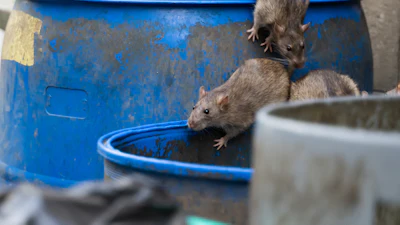
When temperatures drop, rodents don’t hibernate; they relocate. Food facilities offer the perfect winter refuge: warmth, shelter, abundant food sources, and water. Kitchens, production lines, warehouses, and loading docks can quickly become harborage sites, especially when structural vulnerabilities go unnoticed.
Several trends are making winter infestations even more likely:
- Milder winters allow rodent populations to breed year-round.
- Urban construction displaces colonies, pushing them into nearby buildings.
- Holiday production surges strain sanitation schedules and create more attractants.
Roof rats are an especially concerning development. Unlike Norway rats that often stay at ground level, roof rats are adept climbers that exploit gaps in rooflines, HVAC penetrations, and upper-level entry points. Their presence often isn’t discovered until contamination or equipment damage is already underway.
The Real Cost of a Winter Infestation
Rodents contaminate surfaces and products through droppings, urine, and fur; gnaw through packaging and electrical wiring; and create fire and equipment risks. A single sighting during audits can result in immediate shutdowns, loss of certifications, and mandatory corrective action plans that disrupt operations for weeks.
The financial fallout can be significant—production delays, emergency remediation costs, strained distributor relationships, and reputational damage amplified by social media. For facilities already managing tight margins and labor shortages, a preventable rodent issue can derail an entire quarter.
Your Winter Rodent Prevention Checklist
Most winter infestations can be avoided with a proactive, systematic approach. Before the coldest months—and your Q1 audits—arrive, prioritize the following steps:
1. Conduct a Comprehensive Facility Inspection
Walk the full perimeter and interior with winter in mind; rodents can enter through openings as small as a dime. Pay close attention to:
- Loading dock seals and entry doors
- HVAC penetrations and heating vents
- Roof access points and utility lines
- Drainage areas affected by freeze-thaw cycles
Seal all gaps immediately using rodent-proof materials such as stainless steel wool, metal flashing, concrete, and commercial-grade sealants.
2. Remove Interior and Exterior Harborage Sites
Eliminate clutter, unused equipment, pallets, and stored materials that offer hiding places. Keep vegetation trimmed away from building walls and maintain waste areas at least 50 feet from entrances. Ensure dumpsters are sealed and cleaned regularly, even during cold months.
3. Strengthen Sanitation Protocols
Holiday production and staffing challenges can create sanitation gaps when rodent pressure is highest. Increase cleaning frequency, eliminate spills promptly, store ingredients in sealed containers, and ensure food waste is never left exposed overnight.
4. Install Monitoring and Improve Documentation
Place monitoring devices throughout the facility, especially near high-risk winter entry points. Regular inspections and detailed documentation demonstrate due diligence during audits and allow early detection before an issue becomes an infestation.
5. Partner With Certified Pest Management Professionals
A pest professional can design a winter-specific Integrated Pest Management (IPM) program that reflects your facility’s unique vulnerabilities. Professional exclusion, monitoring, and maintenance offer an added layer of protection during audit season.
Winter-Ready Means Audit-Ready
Auditors expect clear evidence of proactive pest management, strong sanitation, and thorough documentation, no matter the season. Winter rodent pressure is predictable, but the only question is whether your facility will be prepared when temperatures drop and inspectors arrive. Don’t wait for the first signs of activity or a failed inspection to act.
Winterize your facility now, tighten your protocols, and partner with pest management experts who understand the unique risks food operators face during the coldest months. Your Q1 results—and your brand reputation—depend on it.