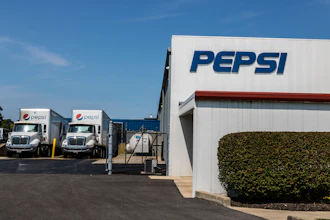
Food manufacturing runs on long hours, overnight shifts, production deadlines, and constant pressure to avoid costly disruptions. From plant managers and machine operators to quality control specialists and logistics teams, many professionals in the industry are expected to stay productive in environments that rarely slow down. Over time, that pressure can take a serious toll on both mental and physical health.
In recent years, more professionals working in food manufacturing have started seeking confidential treatment options that allow them to address stress, burnout, alcohol use, or dependence on prescription medications without stepping away from their careers permanently. Ocean Ridge Recovery is a Southern California treatment center that provides individualized care for addiction and mental health concerns, including programs designed for working professionals who need privacy, structure, and flexibility during recovery.
Around-The-Clock Pressure
Food manufacturing facilities often operate 24 hours a day, especially in large distribution regions where supply chain demands leave little room for delays. Employees may rotate between day and night shifts with minimal recovery time between schedules. Sleep disruption alone has been linked to higher levels of stress, anxiety, and fatigue, all of which can affect decision-making and emotional regulation.
For some workers, alcohol becomes a way to decompress after demanding shifts. Others may rely on stimulants to stay alert during overnight production runs or physically exhausting schedules. In industries where attendance and consistency are heavily emphasized, many employees continue functioning at a high level while struggling internally.
That is part of the reason facilities like Ocean Ridge Treatment & Recovery in Orange County are seeing growing interest from professionals who want treatment that respects their careers and personal privacy. Many people entering treatment are not unemployed or disconnected from daily responsibilities. They are often still managing teams, meeting deadlines, and maintaining family obligations while dealing with escalating stress behind the scenes.
Burnout Gets Ignored
Burnout is common in manufacturing environments because the culture often rewards endurance over recovery. Workers may normalize twelve-hour shifts, overnight production schedules, skipped meals, or chronic exhaustion because everyone around them is doing the same thing. Eventually, emotional fatigue starts bleeding into other areas of life.
Managers and supervisors can face a different type of pressure. They may carry responsibility for staffing shortages, production targets, safety compliance, and employee retention all at once. That ongoing tension can create a cycle where stress management tools become increasingly unhealthy over time.
The problem is not always obvious from the outside. Many professionals continue showing up to work every day while privately struggling with insomnia, anxiety, irritability, or increased substance use. Friends and coworkers may not recognize the warning signs until a major health issue, workplace incident, or personal crisis occurs.
Confidential treatment programs have become more appealing partly because they allow people to seek help before things completely unravel. That early intervention can make recovery more manageable and reduce long-term consequences both personally and professionally.
Privacy Matters
One reason professionals delay treatment is fear. They worry about judgment from coworkers, losing professional credibility, or damaging future opportunities within their industry. In manufacturing sectors where reliability and consistency are highly valued, people may feel pressure to hide stress rather than address it directly.
Programs designed around discretion help reduce that barrier. Many professionals specifically search for executive rehab options because those programs often provide a more private setting, individualized treatment planning, and accommodations that support ongoing professional responsibilities when appropriate.
According to information provided by Ocean Ridge Recovery’s Executive Treatment Program, clients may have access to private rooms, work accommodations, and treatment plans tailored to professionals balancing recovery with career obligations. That structure can make treatment feel more realistic for people who cannot simply disappear from their responsibilities for months at a time.
The growing demand for confidential care also reflects changing attitudes toward mental health in professional environments. More companies are recognizing that untreated burnout, anxiety, depression, and substance use ultimately create larger operational problems than treatment itself.
“The staff and facility are top notch. I spent 5 weeks here and I owe these guys a lot for helping regain control of my life. If you're struggling or know anyone who is, I would definitely recommend coming here.” - Bobby
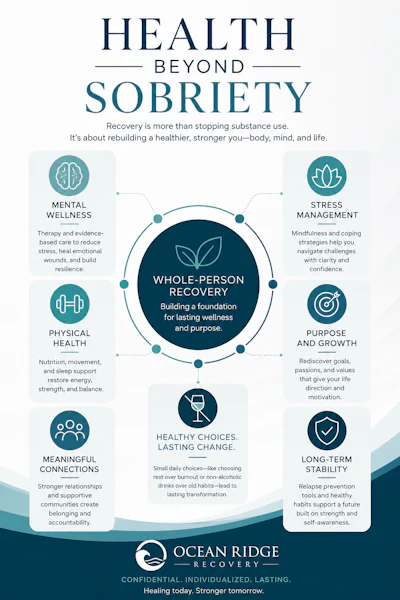

Health Beyond Sobriety
Recovery is not limited to stopping alcohol or substance use. Many professionals entering treatment are also dealing with chronic stress, poor sleep habits, isolation, nutritional issues, or unresolved mental health concerns that developed over years of demanding schedules.
Treatment centers increasingly focus on rebuilding routines that support long-term stability rather than short-term abstinence alone. That may include therapy, medical support, nutritional guidance, fitness programs, mindfulness practices, and relapse prevention planning.
For workers coming from shift-based industries, rebuilding healthy daily structure can be especially important. Irregular schedules often disrupt sleep cycles, eating patterns, and social relationships. Addressing those patterns directly helps people develop healthier coping mechanisms that fit real-world responsibilities instead of temporary treatment environments.
Many professionals also discover that workplace social habits contributed more heavily to substance use than they initially realized. Happy hours, post-shift drinking culture, and networking events centered around alcohol can become deeply ingrained over time. Some people in recovery begin replacing those routines with healthier alternatives, including fitness activities, social groups centered around wellness, or even simple changes like exploring non-alcoholic drinks in professional settings where alcohol was previously expected. Those shifts may sound small, but they often help reinforce larger lifestyle changes that support long-term recovery.
“The staff here makes you feel comfortable and welcome. They go out of their way to help from the very first phone call. The facility and food are great, but more importantly, they are there for you while you go through this difficult journey immediately after the first step of calling them for help. You are in good hands with them.” - Fred
A Changing Industry
The food manufacturing industry has faced mounting pressure over the last several years due to staffing shortages, inflation, production demands, and supply chain disruptions. Those stressors affect everyone from entry-level workers to senior leadership.
At the same time, conversations around mental health have become more open across many industries. Employees are increasingly willing to acknowledge stress and seek support before reaching a crisis point. Employers are also becoming more aware that untreated mental health struggles contribute to absenteeism, turnover, workplace injuries, and declining morale.
That does not mean stigma has disappeared. Many professionals still hesitate before asking for help. But the increase in confidential treatment options specifically tailored to working professionals reflects a broader cultural shift. More people are beginning to view treatment as a proactive decision rather than a professional failure.
Food manufacturing remains one of the most demanding industries in the country, especially for professionals balancing rotating shifts, operational pressure, and nonstop production schedules. As awareness around burnout and mental health continues growing, more workers are seeking confidential treatment options that allow them to recover without sacrificing their careers. Programs tailored to professionals are helping make that step feel more accessible, practical, and sustainable for people who have spent years carrying stress in silence.