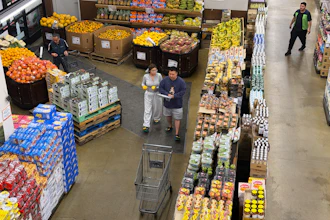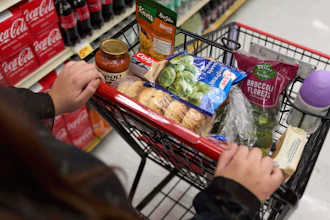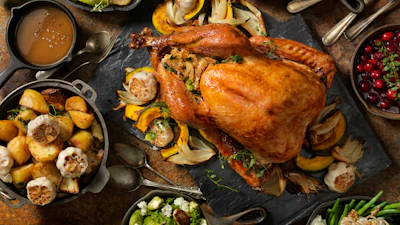
Inflation-weary Americans have at least some good news to cheer this holiday season: The cost of a basic Thanksgiving meal has stabilized.
A Thanksgiving dinner for 10 people clocks in at US$78.93, approximately 0.4% less than in 2025, according to the Wells Fargo Agri-Food Institute. That's because most staples haven't seen a sharp jump in prices.
Americans are still justified in feeling stressed about high grocery bills, but it's because of the cumulative effect of rising prices in recent years. While inflation has slowed since its peak of more than 9% in 2022, the cost of a Thanksgiving meal is roughly 25% higher than it was before the COVID-19 pandemic began.
I'm an agricultural economist who has been studying the many drivers of food inflation. What's key to remember is that inflation data tells us how quickly prices are increasing, not whether prices are returning to previous levels. So even modest price jumps today are layered on already-elevated prices.
Here's what Americans can expect when they go shopping for Thanksgiving, from turkey to dessert:
Go for frozen turkey
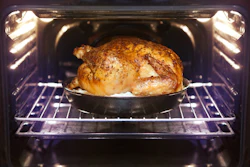
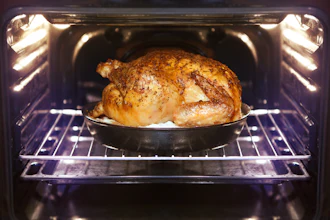
Stable frozen turkey prices have played an important role in keeping overall holiday meal costs close to last year's levels.
The average advertised price for a frozen turkey over 16 pounds (about 7 kilograms) was $0.96 per pound, essentially unchanged from the $0.97 per pound in the same period last year, according to the USDA Agricultural Marketing Service's Weekly Turkey Report, published on Nov. 13, 2026. These prices reflect the typical discounts leading up to Thanksgiving, when retailers often cut turkey prices as part of their holiday promotions.
It's a different story with fresh turkey prices, which are about 11% higher than a year ago, according to the Department of Agriculture data. So shoppers seeking a fresh bird may face a higher grocery bill.
A longer-term trend is that turkey consumption has gradually declined over time. As a result, the cost of Thanksgiving depends on much more than turkey prices alone. This is where side dishes come in.
A mixed picture for side dishes
Mashed potatoes, cranberry sauce and sweet potato casserole are among the dishes that a frugal shopper might consider.
Sweet potatoes are 12.5% cheaper year on year, and cranberry prices have dropped 4.8%, according to the USDA Agricultural Marketing Service's Weekly Grocery Store Specialty Crops data.
Potato prices, meanwhile, have been stable, increasing just 1.1% over the past year, according to September's consumer price index, the most recent month of full data. If you're considering mac and cheese, the costs of the main ingredients should balance out: Pasta and cornmeal prices are 4.3% higher year on year, while cheese is 3% cheaper.
Prices for fruits and vegetables, however, have mostly ticked upward and are 3.9% higher than a year ago. That includes green beans, which are 2.2% more expensive. Prices for fresh apples are up 7.5%, and up 2.6% for lettuce.
More broadly, higher prices for some fresh vegetables reflect the cost pressures facing food production. Farmers are grappling with high fertilizer, fuel and transportation expenses, not to mention tariffs in certain sectors.
Of course, Thanksgiving isn't complete without regional traditions. Sauerkraut is a popular side dish for turkey in the mid-Atlantic states, but fans will have to pay substantially more. Cabbage is about 30% more expensive year on year due to weather shocks and pest outbreaks that have reduced supply.
Don't forget dessert
Americans might also find some sweet relief in prices for popular desserts.
Some key baking staples became more affordable. Butter prices have fallen 10.3% over the previous year, while flour is down by 1.1% and sugar by 1%, according to the September consumer price index data.
But some of the biggest savings come from eggs, where prices have dropped sharply. Like the turkey industry, egg production was hard-hit in 2022 by a highly pathogenic avian flu outbreak, which reduced supplies and pushed prices up. Since then, producers have rebuilt flocks and expanded production to grow supply. Egg prices are now 20.3% lower than a year ago.
Where consumers will shell out more is milk, up 2.3%; canned fruit, up 2.3%; and frozen bakery products, up 1.3%, according to the consumer price index data. Pumpkins for pie-making will cost 2% more than last year.
So keep all this in mind if you plan to bake a pie. And if you opt for a store-bought pumpkin pie, expect to pay about 2.5% more.
Where other savings can be found
Shoppers looking for alternatives to turkey could head to the poultry aisle. Prices for whole fryer and roaster chickens are anywhere from 7% to 20% lower than a year ago, according to USDA grocery store price data.
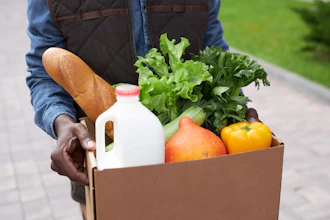
Consumers can also take advantage of Thanksgiving promotions offered by grocery retailers. Several major retailers offer complete Thanksgiving meal baskets for less than $40, which can translate to approximately $3.50 to $4 per person. Among major retailers, Walmart is advertising its Thanksgiving basket for 10 people at $35, Aldi at $39 for 10 people and Target at $30 for six people.
Although the contents vary, these meal packages generally include Thanksgiving favorites such as turkey, stuffing and cranberry sauce, and ingredients for green bean and potato side dishes.
Inflation remains at the top of consumers' minds, and it isn't expected to ease anytime soon. But in the case of Thanksgiving, shoppers can find at least some relief as they seek out staples for their feast.
This article is republished from The Conversation under a Creative Commons license.